Traffic is down. Attention is fragmented. And AI? Well, we already know it’s supercharging change. So now what? How do you grow an ecommerce business in an ecosystem that feels increasingly out of your control?

At eTail Palm Springs, those conversations played out under 90-degree desert sun, with snow-capped mountains and flamingos dotting the scene.
Between sessions, we connected with brands and SaaS platforms from around the world, all wrestling with the same challenge: how to keep pace when consumer behavior and the retail landscape are shifting so quickly.
Across panels, roundtables, and side conversations, one message came through clearly: Growth won’t come from chasing the latest tech. It will come from earning trust, making things easier for customers, and giving them a reason to come back.
Let’s break down the core takeaways.
AI Is an Efficiency Multiplier
When implemented well, AI reduces friction, shortens response time, and eliminates uncertainty in the buying process. It increases speed and relevance while supporting better execution behind the scenes. The goal is creating a smoother, more intuitive customer experience.
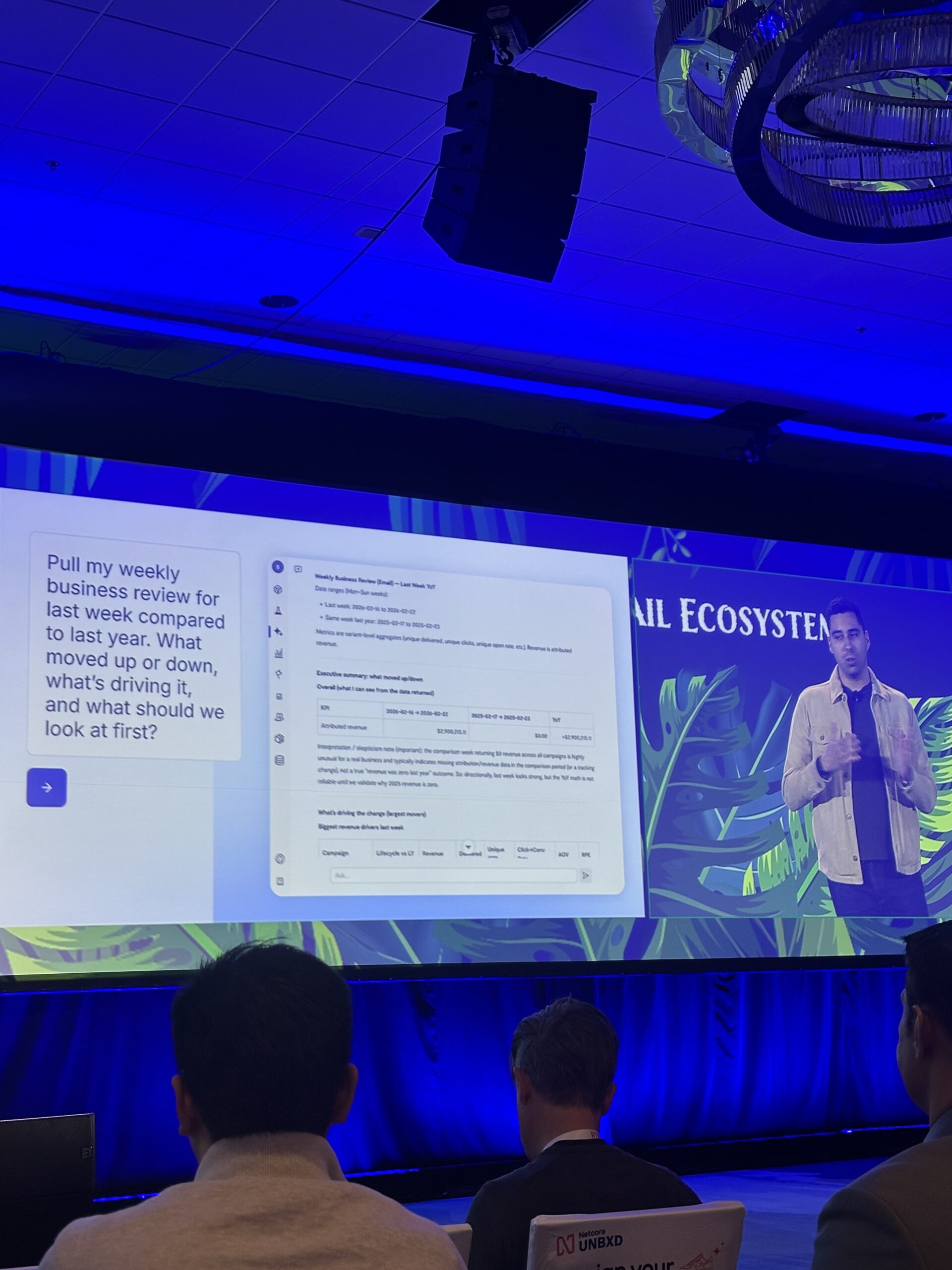
Here’s where it’s actually proving useful:
- AI-powered review summaries that clarify buying decisions
- Reorder prompts and next-purchase recommendations
- Reporting automation that accelerates campaign analysis
- Workflow execution that reduces manual bottlenecks
You want the technology to fade into the background while the experience for customers improves.
Trust Directly Impacts Conversion and Retention
Consumer skepticism is high, especially among Gen Z and Gen Alpha. Trust shows up in the numbers: conversion rates, opt-ins, repeat purchases, lifetime value.
That means loyalty shouldn’t be reduced to a points program, and personalization needs to go far beyond inserting someone’s name into an email. Brand loyalty begins at the first interaction, long before a post-purchase flow is triggered.
Think of a well-run brick-and-mortar store. Creating top-notch in-person service is crucial: Customers are made to feel welcome by staff aiming to understand why they came in. Even when navigation is intuitive, shoppers are often guided toward what they need. Pricing is clear. The value exchange feels fair and relevant.
After purchase, you want the customer to leave thinking, “I’ll definitely come back again.”
In an environment increasingly shaped by automation, transparency and genuine human understanding leave an impression. Customers reward brands that communicate naturally, demonstrate real value, and truly understand the problem they are solving.
Trust doesn’t just come from what a brand says about itself, though. It’s reinforced by what customers say.
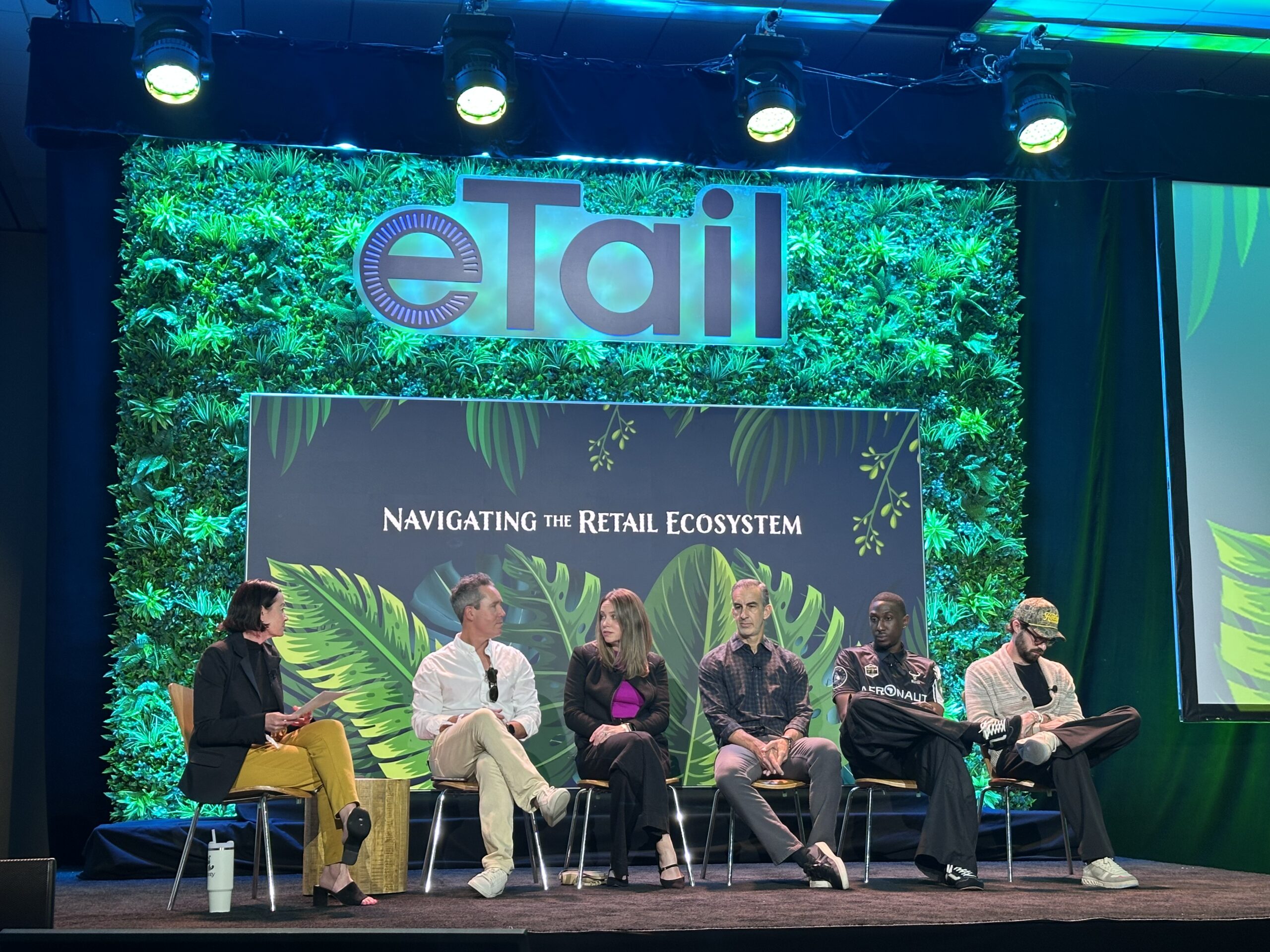
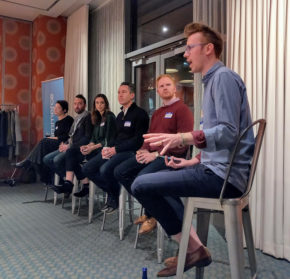
That theme surfaced in the Brand & Community Building track, where our CEO, Karl House, joined a panel on crowd-powered commerce and the role of social proof. The discussion explored how reviews, user-generated content, and authentic advocacy influence buying behavior.
In a moment when brand skepticism is high, community validation often carries more weight than brand messaging alone.
Optimize the Entire Customer Experience
Channels cannot operate in a silo. They don’t need to be identical, but they should feel cohesive. Inconsistency in tone, expectations, or value weakens confidence, erodes trust, and can come across as careless.
Improving the experience means knowing who you are as a brand, knowing what your customer wants, and making sure your messaging, product pages, emails, and support all reflect that.
Customers return to brands that prioritize their experience at every touchpoint, from easy-to-navigate sites and upfront product details to fair return policies and accessible support. When you get the experience right, it builds on itself.

Retention Is the Primary Growth Lever
Retention deserves the same strategic rigor as acquisition. Cohort reporting is essential because customers behave differently based on when and how they enter your program.
Growth increasingly depends on understanding what happens after the first purchase, making it easier to get to the second, and recommending relevant and timely next steps. One-size-fits-all lifecycle flows quickly lose effectiveness as expectations rise.
Of course, to learn about your customer, you need data, you need to test. But being intentional about how you’re experimenting is essential. It can be tempting to run quick, easy-lift “soft” tests, but if you can’t measure it, you shouldn’t test it.
What the Winning Brands Will Do Next
There’s more noise, more AI, and less attention than ever, but the path forward isn’t complicated.
The brands that win will build trust early and personalize with intention. They will focus on earning the second purchase, not just the first. They’ll make every step—from first click to post-purchase support—feel easier. They’ll use AI to strengthen operations and improve experience, not just to say they’re using AI.
You may not be able to control traffic patterns, platform shifts, or the pace of change, but you’re in charge of the experience you deliver. In this environment, growth doesn’t come from being louder or first; experience is the strategy.