Your most beautiful ad is probably your worst-performing one. If your creative looks like it belongs in a brand deck or the PDP of your website, it probably belongs nowhere near your paid media budget in 2026.
The best-performing ads right now don’t look like ads…
They don’t look polished.
They don’t look branded.
And they definitely don’t look like something your design team spent two weeks perfecting.
Because the moment something looks like an ad, people treat it like one—and they scroll.
The data backs it up:
- Nearly 93% of consumers skip or block once they realize it’s an ad
- Only 12% trust influencer recommendations once they see #sponsored
That’s not a small dip; it’s a signal. Customers are craving authenticity and reliability, which is exactly why Performance UGC is emerging as such a powerful revenue driver for direct-to-site brands.
Consumers Don’t Trust What Looks Like Marketing Anymore
The 2026 consumer is highly ad-literate. They’re bombarded with content all day, every day—and they’ve learned how to spot paid efforts instantly. Years of highly polished brand creative, stock-perfect imagery, and now overly produced influencer content have trained audiences to tune out anything that feels even remotely staged.
According to a 2025 report from eMarketer, a massive 93% of consumers skip or block ads, emphasizing the scale of the problem that brands face when combating ad fatigue. Fifty-five percent stated they skip ads when they can, while 37% ignore ads entirely, and 78% stated that interactive, entertaining ads grab their attention.
These findings suggest consumers are increasingly more likely to purchase from brands that feature real customer content over highly polished, aesthetic ads or aspirational influencer posts.
Rethinking Creative Strategy: The Rise of “Unconvincing Perfection”
Your ads look great. And that’s exactly the problem.
Whether it’s influencer content or brand creative, everything is starting to look the same: polished and unmistakably like an ad.
Influencer marketing didn’t stop working; it just got too good at looking like marketing. It used to resonate better because it felt real. Now it feels…optimized. Every message is safe. Every opinion is conveniently positive.
And that’s exactly why it can drive strong engagement but often falls short at the bottom of the funnel. Because now, we’ve seen the playbook. We scroll past perfectly lit routines and scripted “honesty,” not because it’s bad content, but because it doesn’t feel believable.
But consumers do trust:
- People who sound like them
- Opinions that feel honest
- Content that acknowledges the doubt they already have
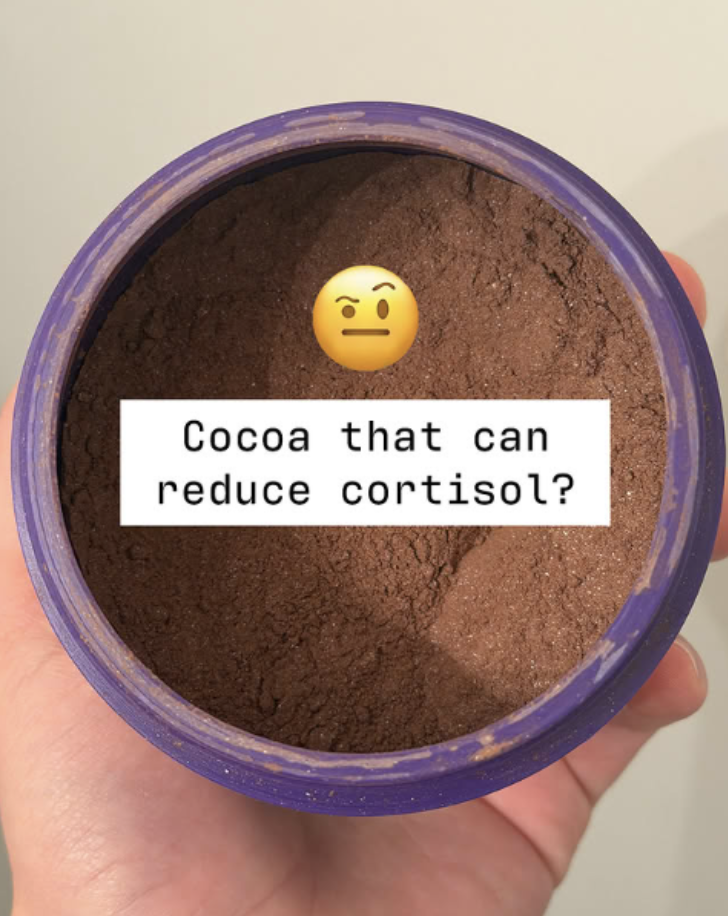
Instead of saying, “This product is amazing,” it says, “I assumed this wouldn’t work. I was wrong.”
Performance UGC is the antithesis of perfectly branded stock imagery and overly aesthetic influencer creative.
It doesn’t try to elevate the product into some aspirational fantasy; it drops it into real life. It meets people where they actually are mentally, not where brands wish they were.
This doesn’t mean influencer marketing or traditional brand creative no longer have a place—they absolutely do. They play a critical role in building awareness, shaping perception, and creating a cohesive brand identity.
But when it comes to paid media performance—where the goal is action, not just awareness—the rules change. Highly produced creative that works on a homepage, a PDP, or a brand campaign often struggles to drive immediate conversions.
The shift isn’t about replacing your existing strategy; it’s about also layering in a creative approach that’s built specifically for how people actually behave during the purchase consideration phase.
What Should Performance UGC Look Like?

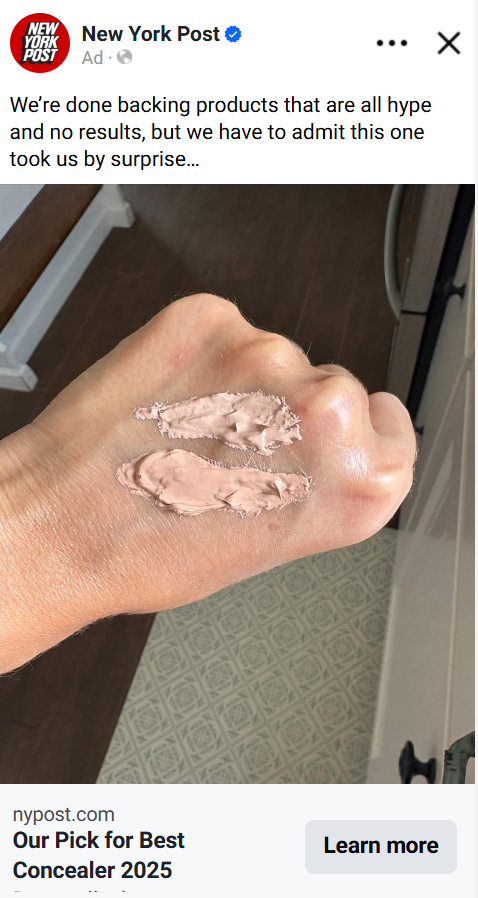

The look and feel of this creative is simple:
- Something your friend would send you
- A quick opinion, not a campaign
- Real, everyday use, not staged perfection
- First-person or observational tone
- Acknowledges skepticism upfront
- Shot on phones
- Minimally edited
- Visibly imperfect positioning of product
But underneath that simplicity is an effective strategy: hook-first storytelling + built-in skepticism + clear, immediate value.
Why Performance UGC Converts
Performance UGC works because it aligns with how people naturally process information and how they actually decide to buy.
Every purchase decision starts with skepticism. People don’t begin in a state of trust; they work their way there, asking quiet questions in their head: Does this actually work? Is it worth it?
Performance UGC meets that mindset head-on.
Instead of trying to bypass skepticism, performance ugc leans into it, showing the product in a way that feels real, unfiltered, and closer to how someone would actually experience it in their own life.
By doing that, it addresses objections earlier, builds credibility faster, and ultimately shortens the time between discovery and action.
In short, Performance UGC:
- Reduces resistance (doesn’t feel like selling)
- Builds trust quickly (feels honest and unscripted)
- Shortens decision-making time
Instead of requiring multiple touchpoints, it often drives immediate action. When content feels credible at first glance, people don’t need to leave, “think about it,” and come back. A lot of the time, they’re already convinced enough to click and explore further in the moment.
Performance UGC consistently reduces the gap between discovery and action, capturing intent while it’s still high, which is why this creative strategy frequently correlates with stronger click-through and click-out rates, plus a higher percentage of 1-day click conversions.
The Shift Brands Need to Make
Stop asking: “Does this look on-brand?” and “Does this meet our brand aesthetic standards?”
Start asking: “Would I believe this if I saw it in my feed?” and “What doubts would I naturally have about this product?”
Because that’s the bar now. The goal isn’t to make something look polished and on-brand—it’s to make it feel believable. And those are not the same thing. In fact, they’re often at odds.
It requires a real mindset shift from controlling every detail of how your product is presented to showing it in a way that mirrors how people actually experience it. Less art direction, more reality.
The brands that win aren’t the ones with the best-looking creative. They’re the ones willing to sacrifice polish for credibility and then trust their audience to connect the dots.