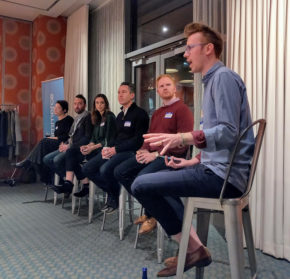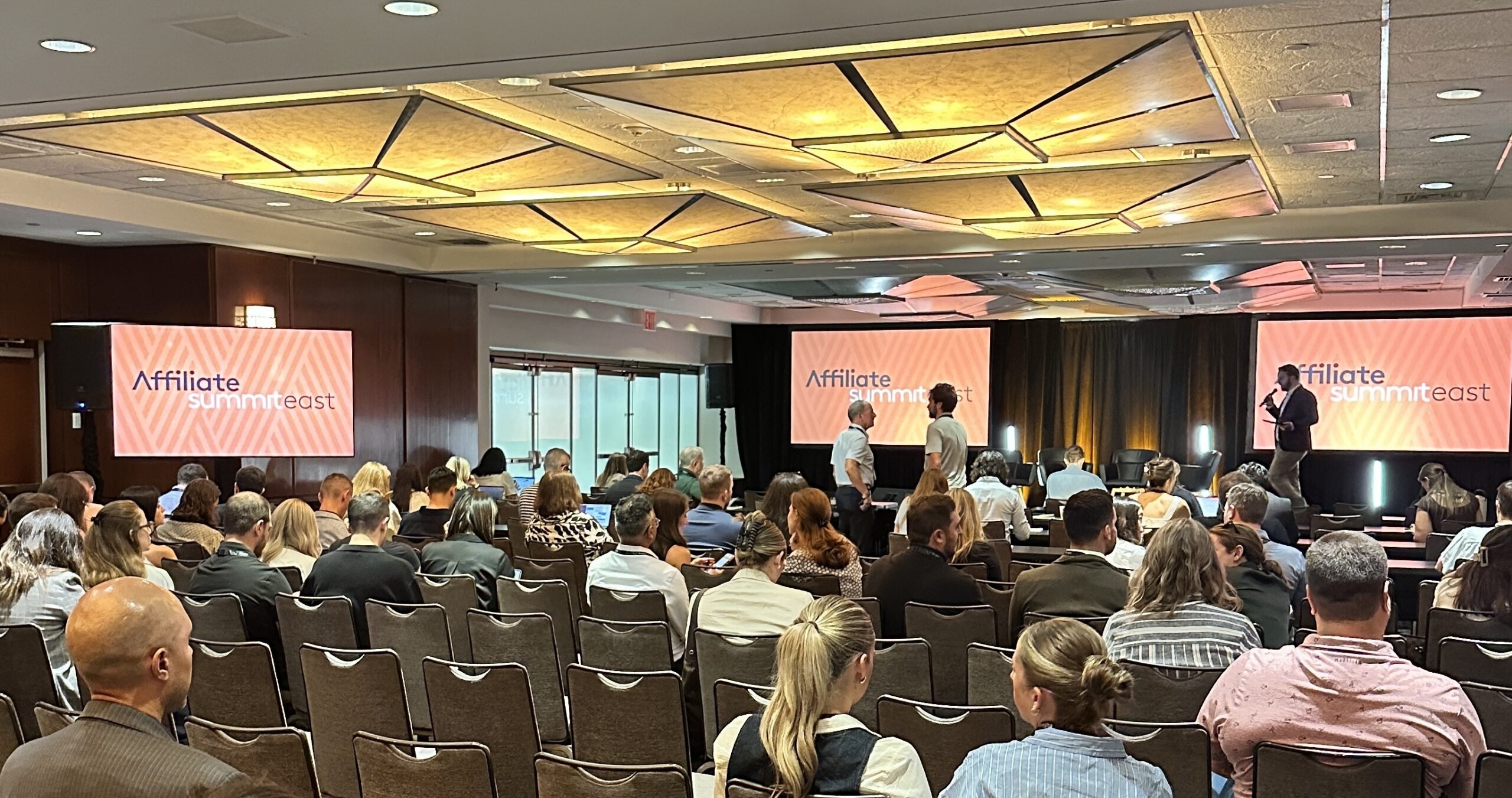
Affiliate Summit East usually plays like a forecast. Everyone shows up to hear where the industry is heading and leaves with a tidy list of trends. This year felt different. The sessions weren’t predicting a future so much as admitting the present has stopped working the way it used to.
Across panels of publishers, networks, and brands, the same argument surfaced in different ways: The search-traffic era is ending, and the winners will build direct audience relationships instead of relying on rented traffic. The catch is that nobody has settled on how to measure the value of that relationship. Last-click still controls budgets, even though everyone agreed it undervalues much of the work.
The Top of the Funnel Is Collapsing
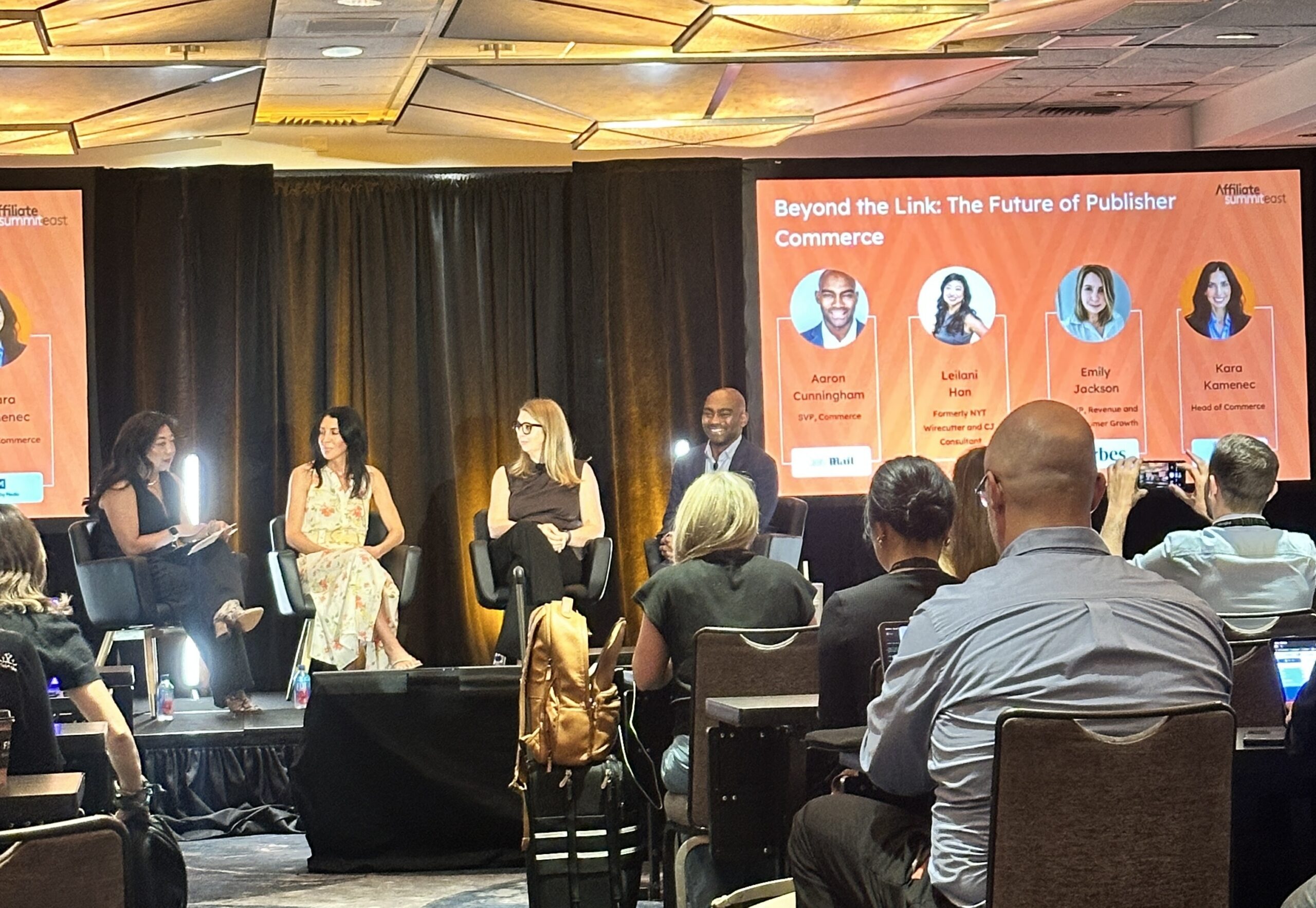
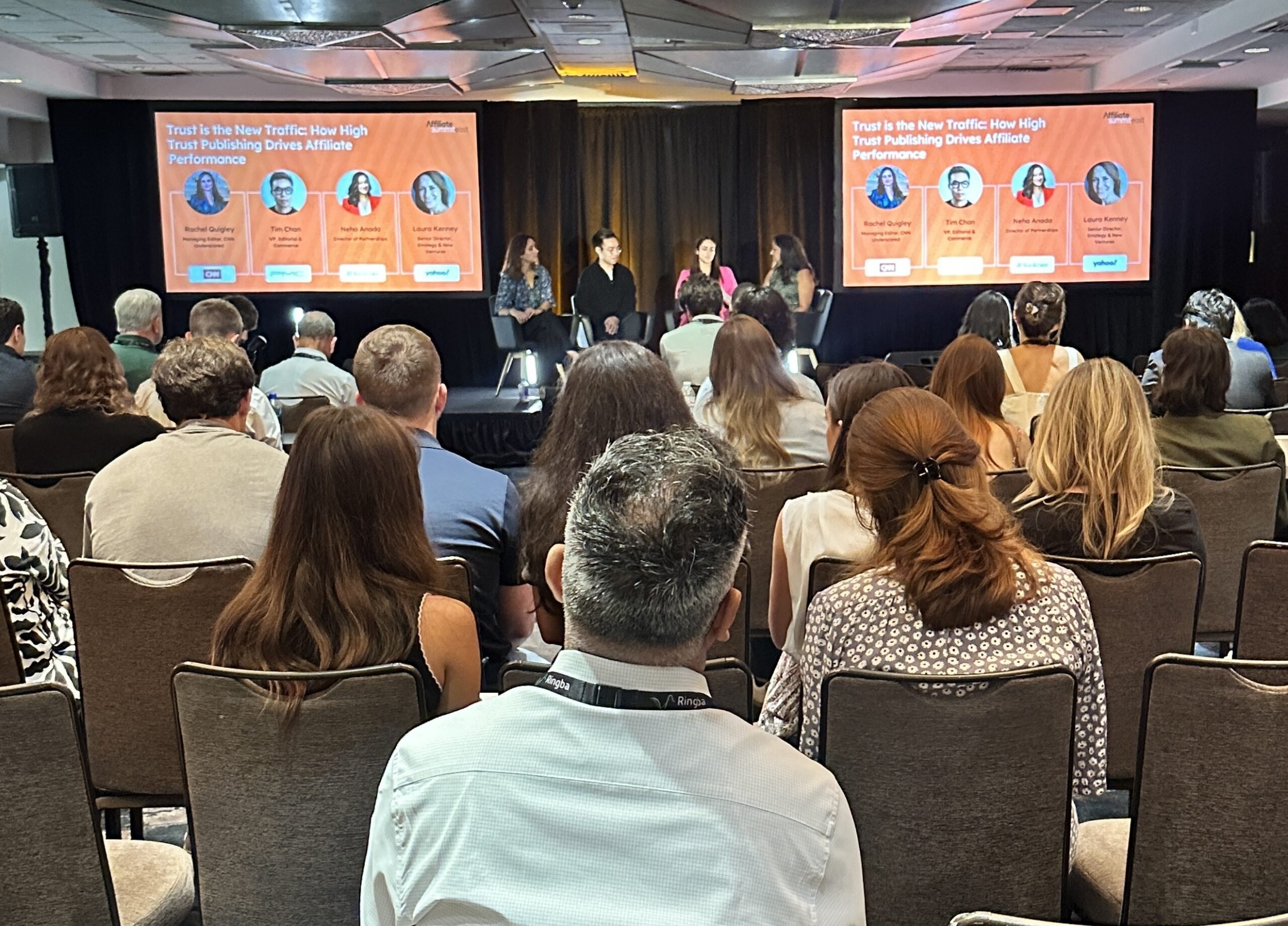
“Google Zero” came up by name on the Beyond the Link panel. Search is sending less traffic as AI Overviews answer queries before users click, and there’s no shortage of concern that “less traffic” will soon equal “zero traffic.” On the trust panel, CNN’s team said they believe Google traffic is going away and described SEO as a tentpole strategy rather than a day-to-day one.
Speakers from Vox, BuzzFeed, and TAG24 described a similar pivot, away from building an evergreen catalog to publishing timely content regularly.
The evergreen model depended on well-optimized pages that could generate traffic for years. As search referrals decline, fresh content and publisher-controlled distribution become more valuable. Nearly every other theme at the show was a response to that shrinking top of the funnel.
How Publishers Are Responding
Publishers are leaning further into what AI cannot reproduce at scale: earned trust and a recognizable human voice.
Panelists emphasized that trust takes time to earn, and publishers with editorial roots may already have a head start. That means giving readers the full picture, even when it may cost a conversion. Share the good and the bad, be transparent about pricing, and add context such as, “This is near the lowest price we’ve tracked.”
As AI makes average content easier to produce, a distinct human perspective becomes more valuable. One panelist put it plainly, saying, “Journalists are the new influencers.” Traditional media outlets still take their brand and style guides seriously, but some are also encouraging writers to share work in their own voices and let more personality show.
So how do we measure trust? Suggested metrics included dwell time, repeat visits and purchases, conversion rate, click-through rate, average order value, review and comment engagement, daily and monthly active users, and how many parts of a publisher’s ecosystem a reader uses. Those signals show whether audience trust is translating into behavior.
Publishers also described a shift from writing commerce content to controlling more of the customer journey, the cart, and checkout, instead of sending readers to another site to complete the purchase. Some are beta-testing storefronts designed for specific audiences, including sports and health shoppers. Publishers already curate products for their audiences through their coverage, so facilitating the sale is a logical next step. The Follow the Audience panel took the idea further, envisioning publisher “widgets” inside LLMs that capture shopper intent without requiring a click-out.
The creator economy is moving in the same direction.
Newsletter and Substack creators are increasingly being treated as serious distribution partners. One-off influencer activations are giving way to ambassador-style, long-term partnerships. Retail media and affiliate budgets are also converging, while brands are pushing PR and affiliate teams to coordinate more closely on creator strategy.
Publishers and creators reached the same consensus on building direct, lasting audience relationships rather than managing each channel as a separate operation.
The panels were also candid about what had not worked. Content written for a younger audience than the publisher actually serves, forced attempts to enter skeptical communities, and coverage of categories where the source lacks authority can all weaken trust. Publishers who get it right know what they are not and are willing to avoid topics they cannot credibly cover.
One Split Worth Watching
From all the conversations, one disagreement stood out. Publishers are making opposite bets on the same uncertainty.
Some are walling their content off from AI. CNN, for instance, blocks the scrapers, which means its content shouldn’t surface in AI Overviews at all. Others are doing the reverse, optimizing to be cited by AI answer engines, betting that visibility inside the answer is worth more than the click it replaces.
Publishers still do not know whether blocking AI or optimizing for it will prove more valuable. StackCommerce sees this debate from several positions — publisher, advertiser, agency, merchant, creator, and partner. We are weighing the same block-or-optimize decisions across our portfolio, and the right answer is not obvious yet.
Measurement Hasn’t Caught Up
“Last click is dead” was said almost verbatim on the attribution panel. It undervalues upper-funnel content, but no replacement has the whole industry’s trust.
Alternatives included incrementality testing with holdout groups, media mix and multi-touch modeling, and post-purchase “Where did you hear about us?” surveys.
Panelists described something we’ve seen time and again: advertisers ending campaigns they believed were underperforming, only to return months later after recognizing halo effects that last-click had not captured.
The panels also questioned what should count as a return on ad spend — perhaps a citation in an AI answer, a captured email address, or the reader’s first click rather than the last.
On the brand side, new-to-file acquisition is overtaking blended ROAS as the metric that matters. The shift puts more emphasis on whether spending is bringing in genuinely new customers. One panel extended that argument further, noting that affiliate is not a self-contained channel but a way of paying partners. It works best as an always-on strategy supported by acquisition, media, and retention budgets rather than an isolated affiliate line.
The money is moving faster than the measurement, and closing that gap is the real work of the next year.
The Thing Everyone Agreed On
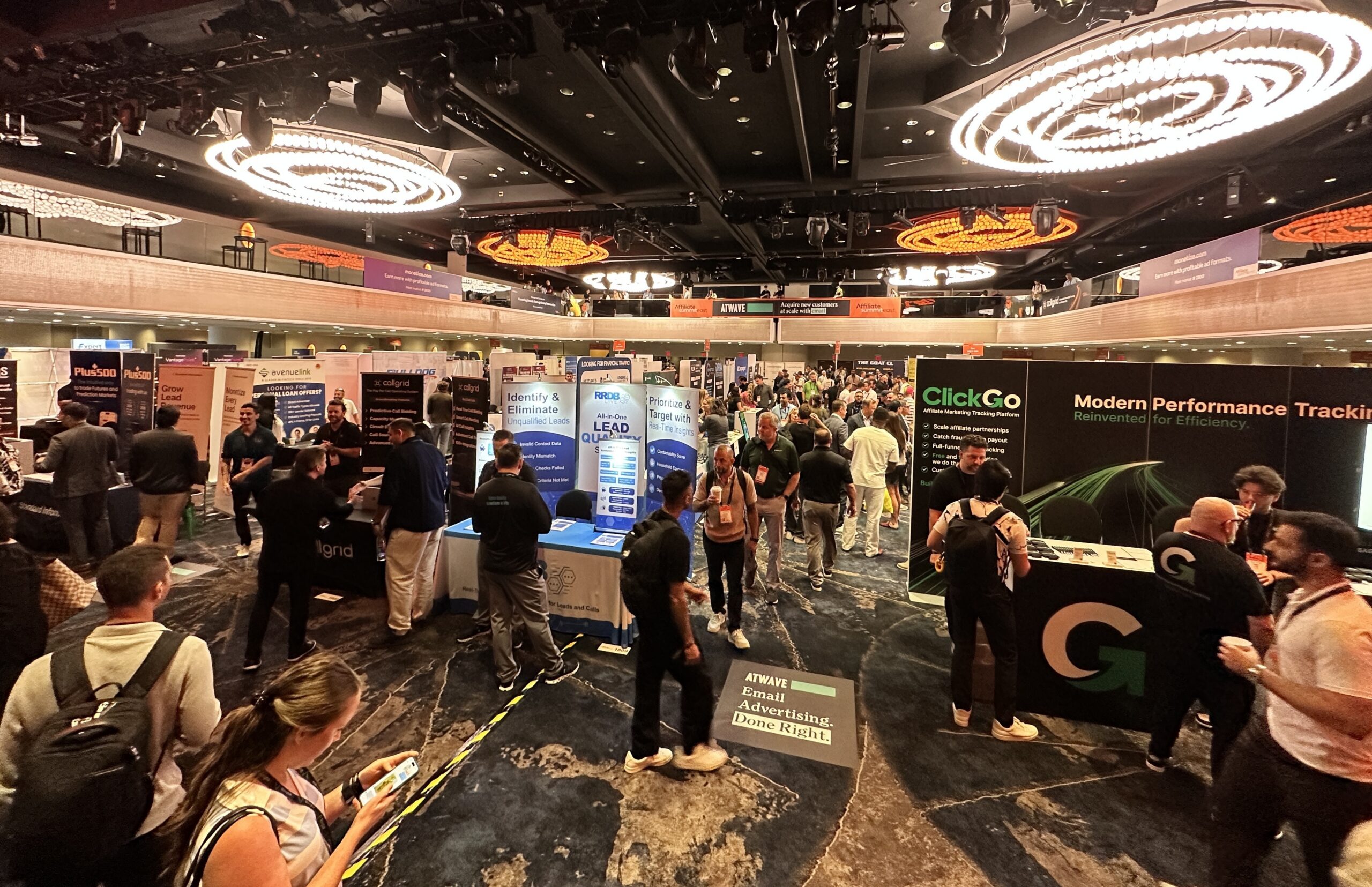
The clearest consensus was that no shared playbook exists yet. Panelists called the moment “the Wild West” and said there was “no source of truth.” What we saw at ASE 2026 is an industry rebuilding its foundations in public, testing in real time.
The point of real agreement? Partnership over transaction. Publishers said they need good products, sufficient budgets, competitive payouts, data transparency, and partners that are genuinely willing to test. They also want brands to understand the audience they are trying to reach.
Those qualities separate a true partner from another line item. That means direct relationships that outlast a campaign, deeper investment in fewer partners, and an appetite for experimenting, adjusting, and continuing to work together through all the uncertainty.
The winners may not be the companies that predict every shift correctly but the ones with partnerships strong enough to adapt when they do not. If your team is working through the same questions heading into Q4, let’s talk.